Civic Museum of Cuneo - Romanity
The Roman age
The room dedicated to the Roman era of the museum exhibits and collects a selection of the finds discovered during the excavations for the construction of the Asti-Cuneo motorway, coming from three different archaeological sites: the Castelletto Stura spring, in the Revellino area; the Montanera necropolis ; and the finds from the Bombonina farmhouse and road.
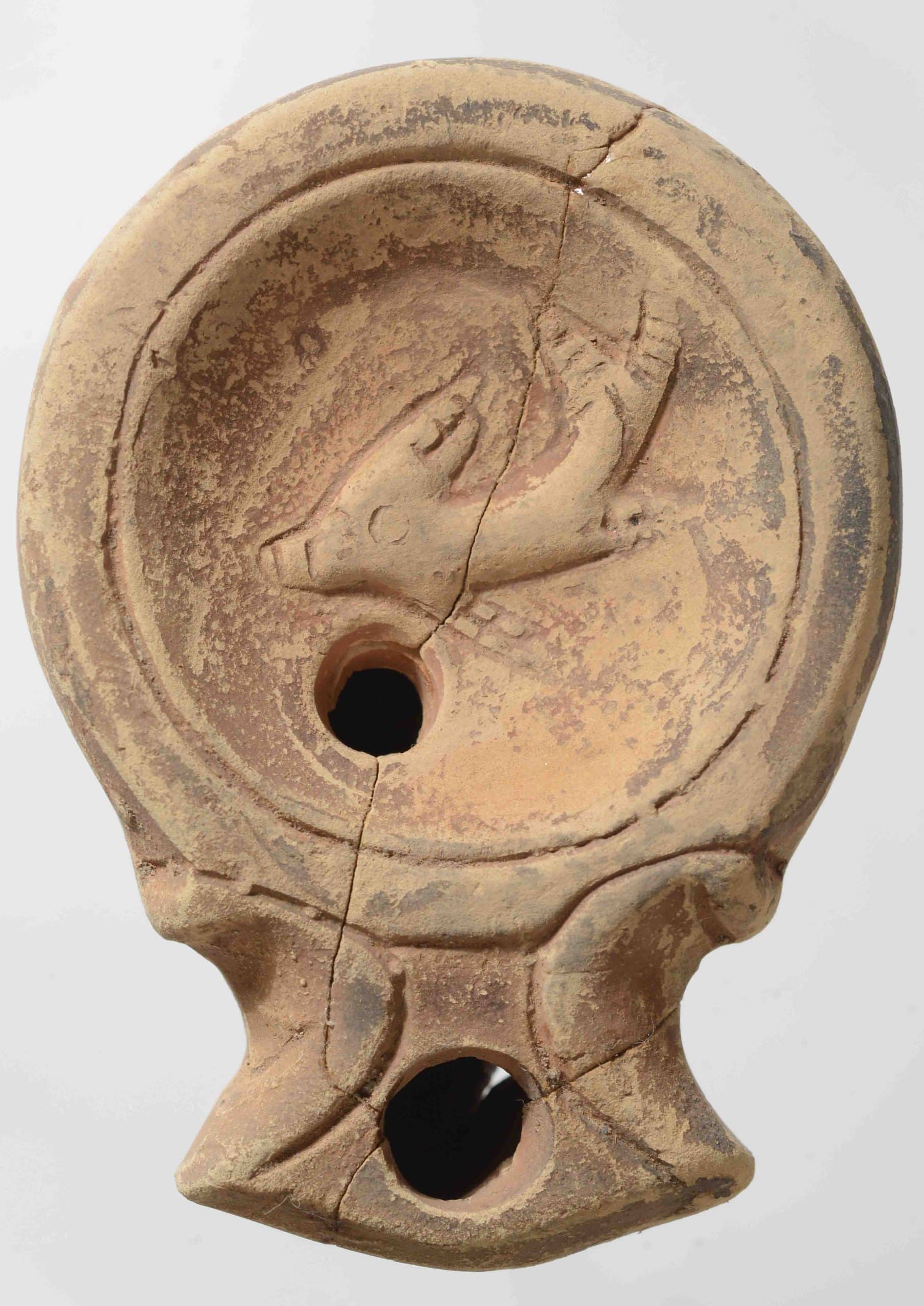
In the municipality of Castelletto Stura, a natural spring area has been identified approximately one hundred meters from the current course of the Stura River . This area must have been considered sacred even in pre-Roman times, as evidenced by the deposition of several ceramic fragments in the water and immediately around the source. The area was then frequented more continuously for religious purposes in the Roman era (1st-3rd century AD) due to the presence of the water spring, a source of life and therefore closely linked to the fertility of humans, fields, and livestock, but also a symbol of rebirth, a saving and healing element. Evidence of the presence of devotees is provided by approximately 200 terracotta lamps , some of which were found still intact or completely recomposed, sometimes decorated with figurative motifs (fish, drinking cups, amphorae, but also Silenus heads, running animals, and plant elements), and more than 170 bronze coins , many of which are illegible due to their long stay in water and damp soil.
The necropolis discovered at Montanera consists of 74 cremation tombs, dated based on grave goods between the 1st and 2nd centuries AD. Approximately a third of the tombs investigated are completely devoid of grave goods and contain only the deceased's ashes. In the others, however, the deceased's personal objects and those used during the funeral ritual, placed on the pyre and deformed by the heat, are accompanied by actual grave goods, often placed to one side of the grave. These consist mostly of ceramic vessels used for drinking wine and other foods, glass ointment jars, and coins, with more rare additions including jewelry, toiletry items, metalwork, and, in one case, a terracotta lamp.
The necropolis located in the Cascina Bombonina area, used between the 1st and 2nd centuries AD, yielded 13 cremation tombs , gravegoods, in addition to the ashes of the deceased. These were generally grouped in the eastern half of the pit, which was sometimes lined with tiles. The grave goods consisted primarily of ceramic vessels, glass unguentaria, and bronze coins; other metal items were rarely present. The grave goods from Tomb 2 stand out for the particularly richness of its finds. Inside a common ceramic vase, a pair of silver earrings, a silver ring with a semiprecious stone, tweezers, and a bronze coin were found.