Civic Museum of Cuneo - Ethnography
The Ethnographic Section
Rich and heterogeneous, it documents the traditional lifestyle of the city and the valleys.
The first section, dedicated to objects commonly used by the wealthier classes (women's jewelry and ornaments, and men's personal effects used between the 17th and 19th centuries), is followed by a precious and almost unique collection of wrought iron and painted shop signs, a testament to the activities and trades of the past.
Also on display are furnishings and household objects typical of the bourgeois city kitchen and Alpine village home, wooden furniture produced by artisans of the Varaita Valley, and everyday tools linked to the main economic activities spread throughout the area (agriculture, livestock farming, and textile manufacturing).
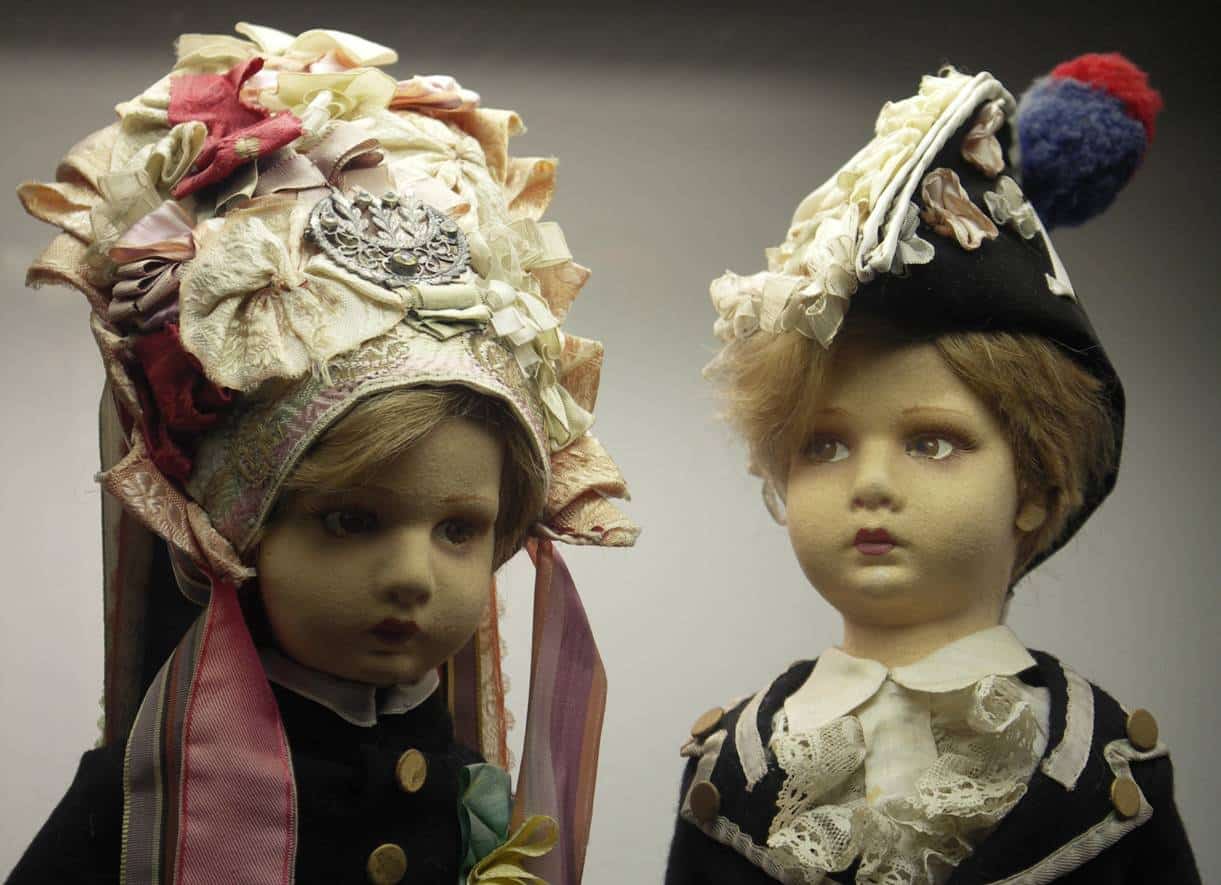
We then find a section dedicated to celebrations, well represented by the characteristic costumes of the valleys and by the exclusive collection of Lenci dolls, also dressed in traditional clothes, accompanied by the canvases of the painters Giulio Boetto and Matteo Olivero, which mark the ceremonies and rites of the people.
The visit ends with a collection of votive offerings dating from the 17th to 19th centuries, which tell personal stories marked by divine intervention, illustrated on painted tablets or anatomical reproductions.